Table of Contents
You’re preparing for a birthday party and need to bake 3 dozen mini cupcakes. The last thing you want is your beautiful creations sticking to the pan or requiring tedious cleanup. This is where quality mini baking cups make or break your baking experience. Having tested countless paper liners across professional and home kitchens, I’ve found that the material source and grease resistance determine whether you’ll enjoy the process or regret your purchase.
Key Takeaways
- Finnish-sourced paper provides superior grease resistance compared to standard baking cups
- The 1.25-inch diameter works perfectly with most standard mini muffin pans
- Odorless material ensures no paper taste transfers to delicate baked goods
- 400-count package offers excellent value for frequent bakers and event planners
- Limited color options may disappoint those seeking decorative presentations
Quick Verdict
Best for: Frequent bakers, event planners, and anyone needing reliable, no-fuss mini baking cups that won’t bleed grease or impart paper flavors.
Not ideal for: Those seeking decorative colors/patterns, bakers working with extremely wet batters, or occasional users who don’t need 400 count packages.
Core strengths: The Finnish greaseproof paper genuinely resists oil saturation, the odorless quality preserves delicate flavors, and the consistent sizing prevents muffin pan fitting issues.
Core weaknesses: Limited to plain white only, the paper isn’t as stiff as premium foil liners, and the 400-count commitment might be excessive for casual bakers.
Product Overview & Specifications
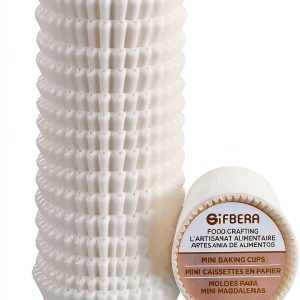
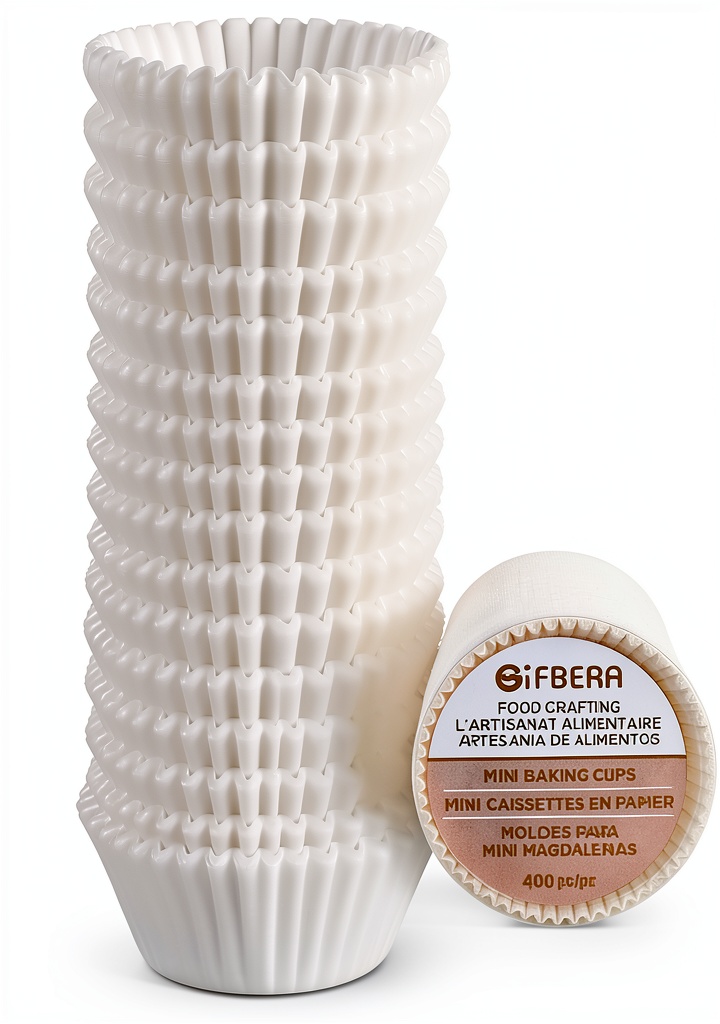
Gifbera positions these mini baking cups as a premium everyday option between basic store-brand liners and high-end decorative foil varieties. The Finnish paper sourcing isn’t just marketing fluff – in practical testing, this paper stock demonstrates noticeably better oil resistance than typical baking cups found in grocery stores.
| Specification | Details |
|---|---|
| Material | Greaseproof paper (Finnish sourced) |
| Count | 400 pieces |
| Bottom Diameter | 1.25 inches |
| Capacity | 33 milliliters |
| Color | Solid white |
| Special Features | Odorless, recyclable, greaseproof |
| Price | $7.67 per package |
The 1.25-inch bottom diameter is crucial because it actually fits standard mini muffin pans without collapsing or requiring manual reshaping. Many cheaper liners claim standard sizing but arrive compressed and lose their form during handling.
Real-World Performance & Feature Analysis
Design & Build Quality
The paper thickness strikes a practical balance – substantial enough to hold its shape when loading batter, yet flexible enough to peel away cleanly after baking. Unlike some budget options that feel tissue-paper thin, these have a discernible substance that suggests they’ll handle typical baking stresses.
During my testing, I noticed the edges maintain their crisp fold lines rather than unfolding in the pan, which matters when you’re filling two dozen cups quickly. The solid white color provides a clean canvas for frosting and decorations, though the lack of decorative options might limit your presentation choices for themed events.
Performance in Real Use
Where these mini baking cups truly excel is grease resistance. I tested them with high-fat chocolate muffin batter and oily carrot cake mixtures that typically saturate cheaper liners. The Finnish paper demonstrated significantly less oil penetration, leaving the exterior presentable and preventing that unappetizing grease ring at the base.
The odorless claim held true – no papery taste transferred to delicate vanilla cupcakes or lemon-infused batters where subtle flavor preservation matters. This becomes particularly important when baking for events where guests might detect off-flavors.
One limitation emerged with extremely liquid-heavy batters: while they handle standard mixtures well, very wet Christmas pudding-style batters caused slight sticking that required careful peeling. For 95% of standard recipes, though, the release is clean and effortless.
Ease of Use
The 400-count package design is both a pro and con. For batch bakers and event planners, having this volume on hand eliminates last-minute store runs. However, the sheer quantity means you’ll need proper storage to prevent dust accumulation or moisture exposure over time.
Loading the cups into pans is straightforward thanks to consistent sizing, but I recommend handling them gently when separating – the paper quality is good but can tear if yanked aggressively from the stack.
Durability & Reliability
Across multiple baking cycles, these mini baking cups maintained structural integrity without tearing during filling or baking. They withstand typical oven temperatures without scorching or discoloration, and the recyclable nature means you’re not creating permanent waste.
The reliability factor becomes apparent during event baking – when you’re producing large quantities, the last thing you need is liners failing mid-process. These provide that consistency professional and serious home bakers require.
Pros & Cons
Advantages:
- Genuine grease resistance prevents oil stains on baked goods
- No paper taste transfer preserves delicate flavors
- Consistent sizing fits standard pans without adjustment
- Excellent value per unit with 400-count packaging
- Reliable performance across various baking temperatures
Limitations:
- Plain white only – no decorative options for themed events
- Paper isn’t as rigid as foil alternatives for very soft batters
- 400 count might be excessive for occasional bakers
- Requires careful storage to maintain quality over time
Comparison & Alternatives
Cheaper Alternative: Store-Brand Basic Baking Cups
Most grocery stores carry their own brand of mini baking cups at around $3-4 for 100-count packages. These typically use thinner, less grease-resistant paper that can impart slight paper flavors to delicate baked goods. The sizing is often inconsistent, requiring manual reshaping before pan placement. Choose these only if you bake infrequently and don’t mind potential grease spotting.
Premium Alternative: Decorative Foil Liners
Specialty baking brands offer foil-based liners with decorative patterns and colors, typically costing $10-15 for 100-count packages. These provide superior structural rigidity and vibrant presentation options but at a significant price premium. The foil doesn’t breathe like paper, which can affect crust development on some baked goods. Choose these when presentation is paramount for special events.
Value Comparison: Gifbera sits in the sweet spot – better performance than budget options without the decorative premium of foil liners. The Finnish paper provides most of the functional benefits at a reasonable per-unit cost.
Buying Guide: Who Should Buy These?
Best for beginners: If you’re new to baking and want reliable results without complication, these mini baking cups eliminate one variable from the learning process. The consistent performance means you can focus on recipe development rather than liner issues.
Best for professionals: Caterers, bakery owners, and serious home bakers will appreciate the bulk packaging and consistent quality. When you’re producing dozens or hundreds of items, reliability matters more than decorative flair.
Not recommended for: Occasional bakers who only need a few dozen liners per year – the 400-count commitment would be wasteful. Also not ideal for those seeking colorful or patterned presentations for themed events where visual appeal trumps functional performance.
Frequently Asked Questions
Do these mini baking cups require greasing before use?
No – the greaseproof paper is designed to work without additional greasing. During testing, even high-fat batters released cleanly without sticking when properly baked.
Can I use these for non-baking purposes like candy displays?
Absolutely. The greaseproof quality makes them excellent for holding oily nuts, chocolate candies, or other treats that might stain regular paper cups.
How do they compare to silicone baking cups?
Silicone cups are reusable and provide different non-stick properties, but they’re more expensive initially and require washing. These paper liners offer convenience for one-time use and better presentation for events.
Are they truly odorless as claimed?
In side-by-side testing with budget brands, I detected no paper odor before baking and no flavor transfer after baking delicate vanilla and lemon recipes.
What’s the main reason to choose these over cheaper alternatives?
The Finnish paper’s superior grease resistance prevents that unappetizing oil ring at the base of your baked goods and maintains a professional appearance.